Why the Oil Filter Matters So Much
Engine oil circulates throughout the motor at high speed, collecting metal particles, dust, soot and other contaminants along the way. Without a filter, these particles would reach the bearings and cylinder walls directly — wearing the engine down rapidly. A good filter removes particles down to 25 microns in size.
Filter Types: Spin-On vs Cartridge
Two main designs are in use today:
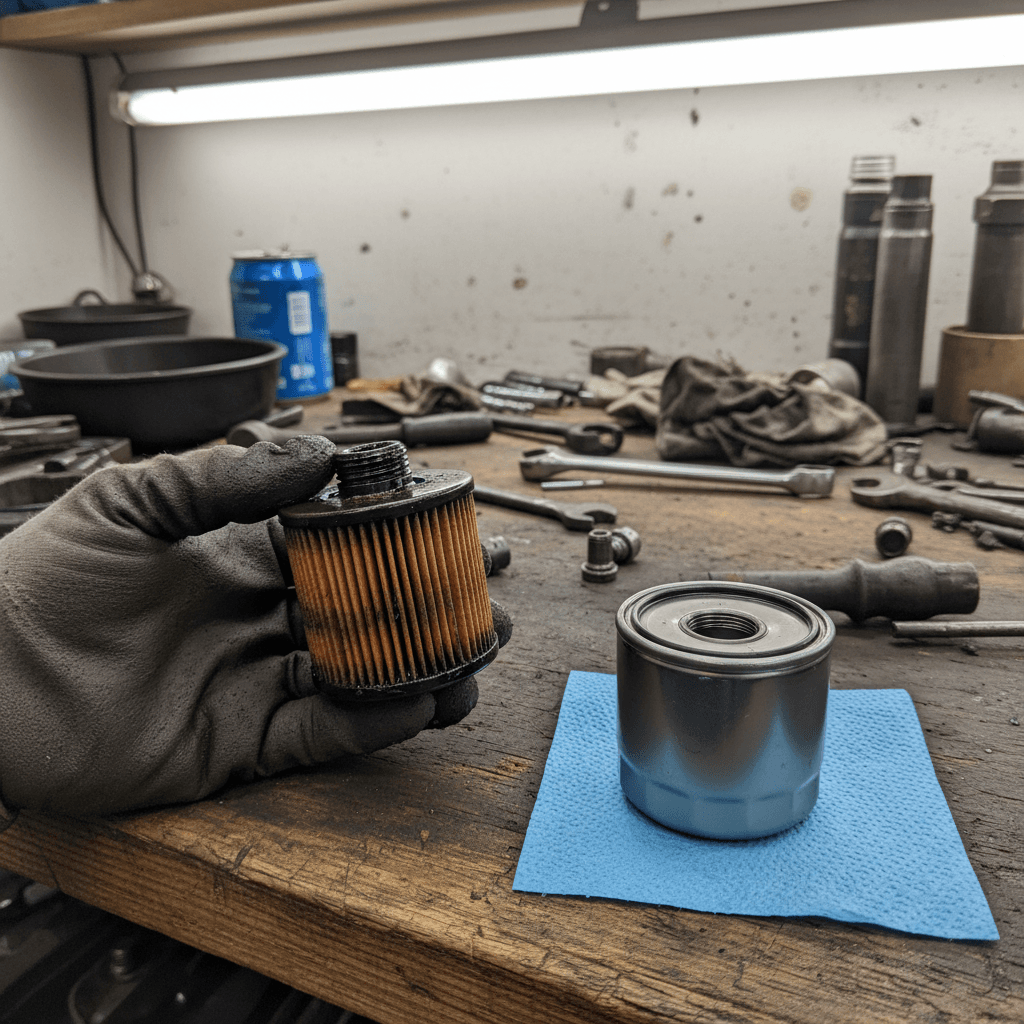
- Spin-on — a full metal housing with the filter element inside. The entire unit is removed at each service. Quick and convenient, common on older vehicles.
- Cartridge — only the filter element is replaced; the metal housing stays in place. More eco-friendly, used on most modern cars (Volkswagen, BMW, Mercedes, Toyota).
Never mix the two types — check your vehicle's manual for the correct specification.
How to Read Oil Filter Markings
Filters carry alphanumeric codes that indicate compatibility:
- W712/75 — Mahle/Knecht code. "W" stands for oil filter; numbers are the manufacturer's series reference
- OC 295 — also a Mahle format, used across different engine families
- HU 816 x — Mann code, where letters indicate the application area
VINParts consultant Otto will automatically find the correct filter for your car — simply provide the make, model and year.
Top Brands and What to Expect
- Mann-Filter (Germany) — OEM supplier to BMW, Mercedes, VW. High filtration efficiency and long service life. Price: €8–18.
- Mahle/Knecht (Germany/Austria) — original equipment on many European cars. Particularly strong for light commercial vehicles. Price: €7–16.
- Bosch (Germany) — well-known brand with a solid quality-to-price ratio. Widely available in Estonia. Price: €6–14.
- Hengst (Germany) — filtration specialists, used as original equipment by Mercedes-Benz. Price: €8–20.
How Often to Change
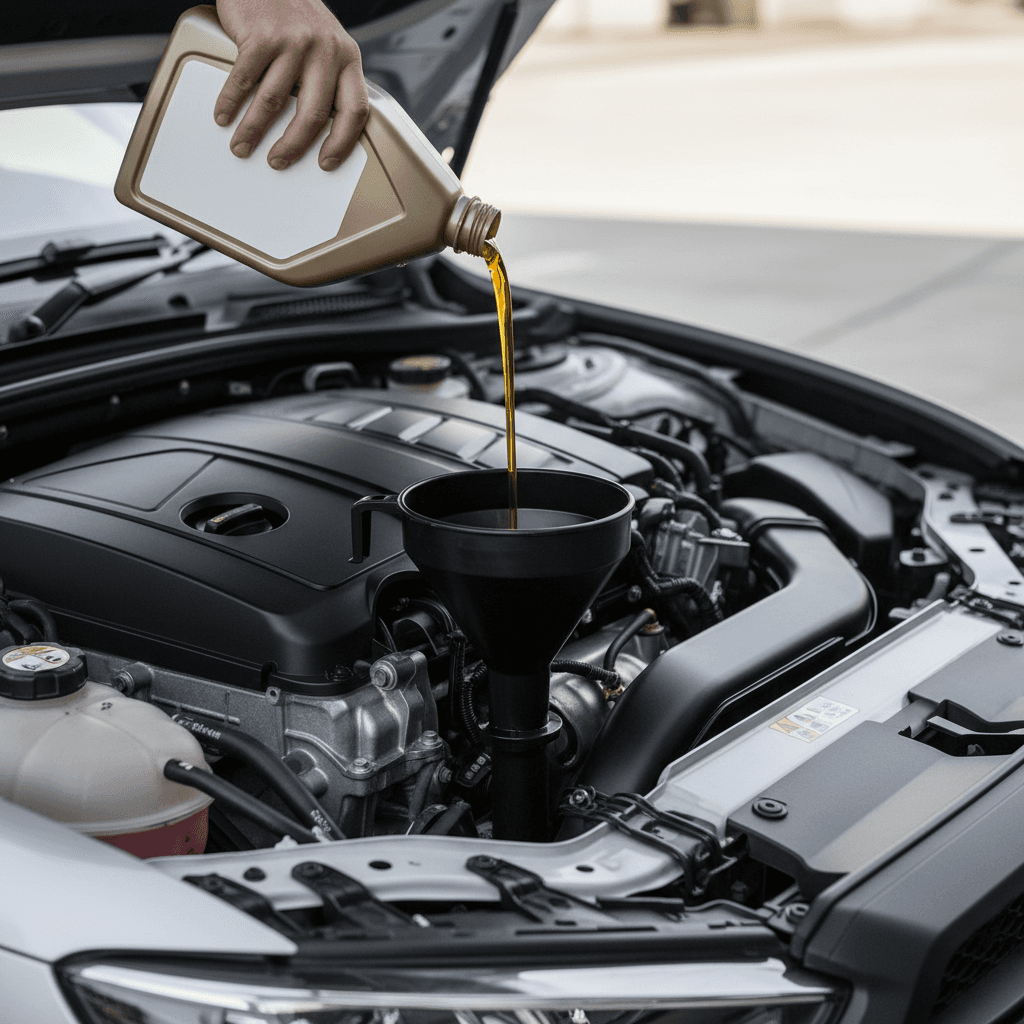
The golden rule: every time you change the engine oil. Changing the filter without fresh oil makes no sense — the new filter fills up with old oil's contaminants straight away. Typical intervals:
- Mineral oil: 5,000–7,000 km
- Synthetic oil: 10,000–15,000 km
- Long Life service: up to 20,000 km (only with approved long-life filters)
Advice for Estonian Conditions
Estonian winters are cold, and frequent short city trips are harder on filters than motorway driving. Our recommendations:
- Use OEM-supplier filters (Mann, Mahle, Hengst) — they match your car's exact specifications
- Don't cut corners on the filter — the price difference between cheap and quality is just €3–5, but engine protection differs significantly
- Always inspect the O-ring condition during replacement (required on some cartridge filter models)