What Is the ARK Vehicle Inspection
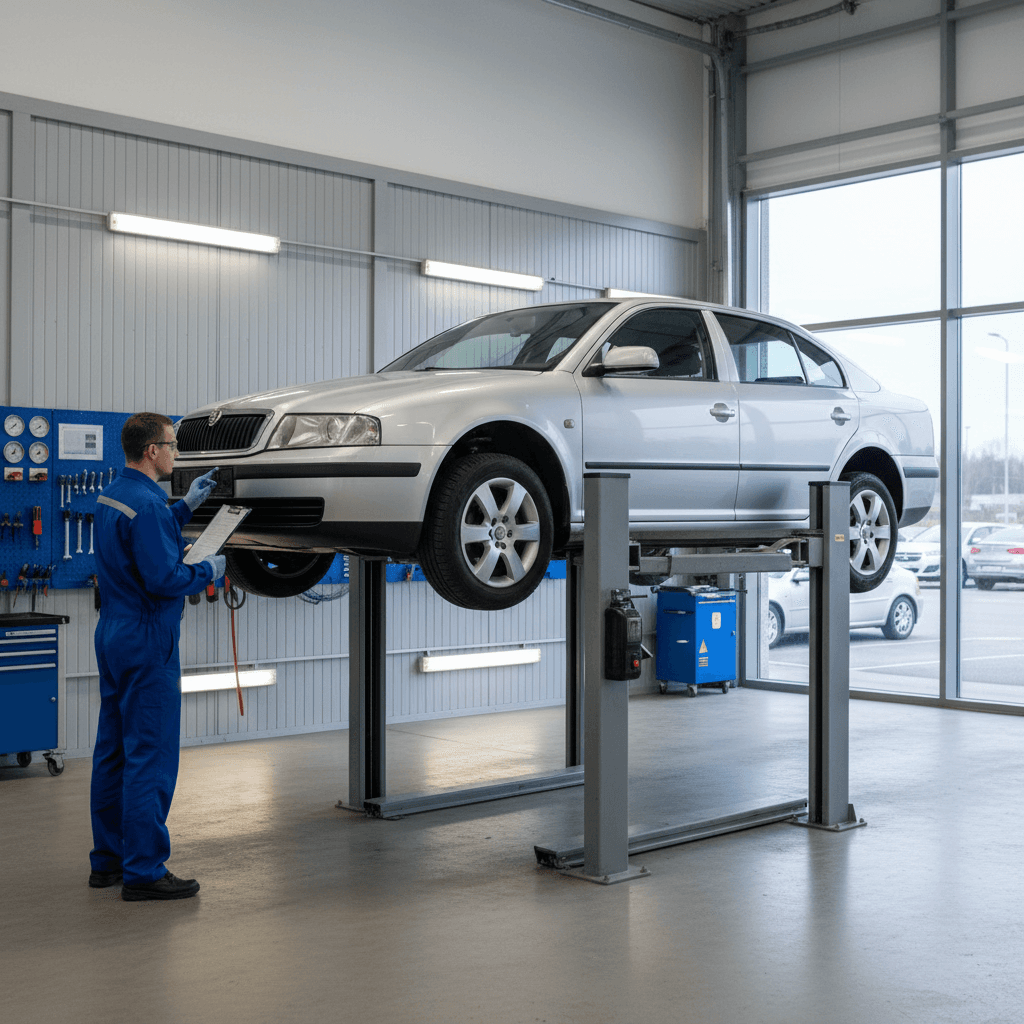
ARK (Autoregistrikeskus) is Estonia's official vehicle technical inspection authority. Its aim is to ensure that only roadworthy vehicles are in use. Failing to pass inspection results in fines and insurance complications.
Inspection frequency depends on the vehicle's age:
- New vehicle (up to 4 years): first inspection in year 4
- 4–10 years old: inspection every 2 years
- Over 10 years old: inspection every year
What ARK Checks
The inspection covers several areas:
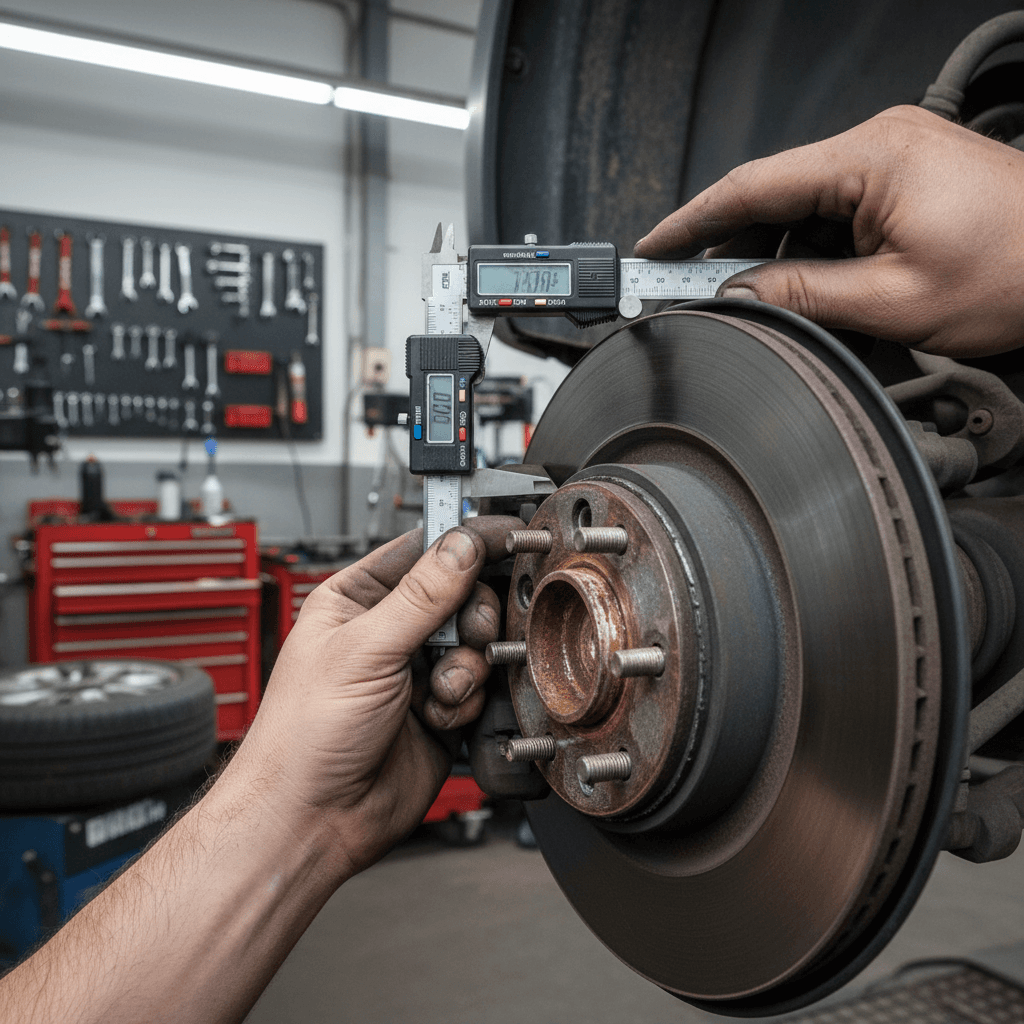
- Brakes — braking force, handbrake, ABS operation
- Lights — low beam, high beam, indicators, brake lights, rear lights, number plate light
- Suspension and steering — play in the wheel, ball joints, power steering
- Tyres — minimum tread depth (1.6 mm legal minimum), damage, size must match the registration document
- Glass and mirrors — cracks, tinting standards, rear window heating
- Engine and exhaust emissions — CO/HC levels, visible leaks
- Body and underside — rust, structural damage
- Seatbelts — all seats, no damage
Most Common Reasons for Failure
Statistics show these are the most frequent reasons vehicles fail inspection:
- Worn tyres — tread depth below 1.6 mm. In winter conditions, 4 mm minimum is advisable
- Non-functioning lights — a single burned-out bulb stops the inspection
- Windscreen cracks — cracks in the driver's field of vision
- Uneven braking force — one side braking noticeably more than the other
- Rust on the underside — especially on older vehicles
- Worn suspension — excessive steering play, worn ball joints
Pre-Inspection Checklist
Check these points yourself before the inspection:
- All lights work (including interior lamp, number plate light)
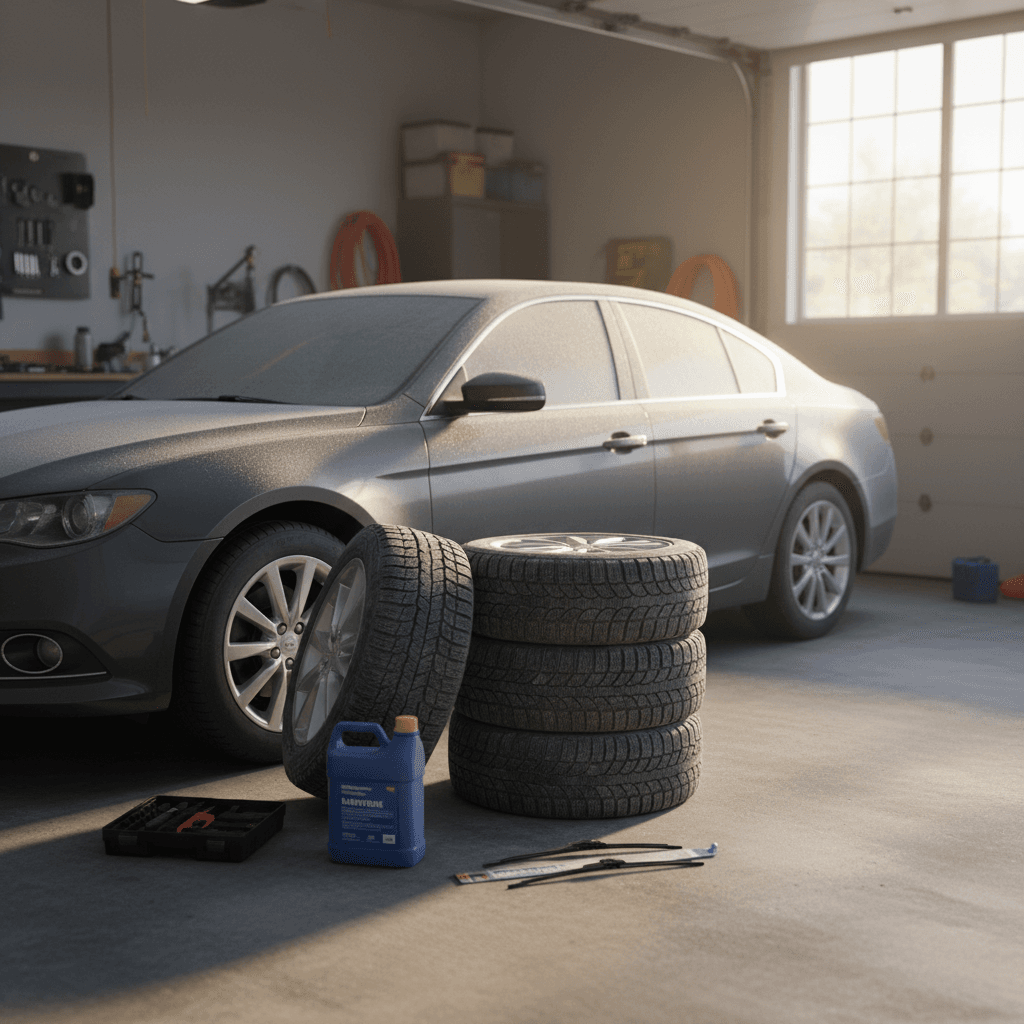
- Tyre tread depth over 2 mm (with margin)
- Wipers work, washer fluid is topped up
- Brake fluid level correct
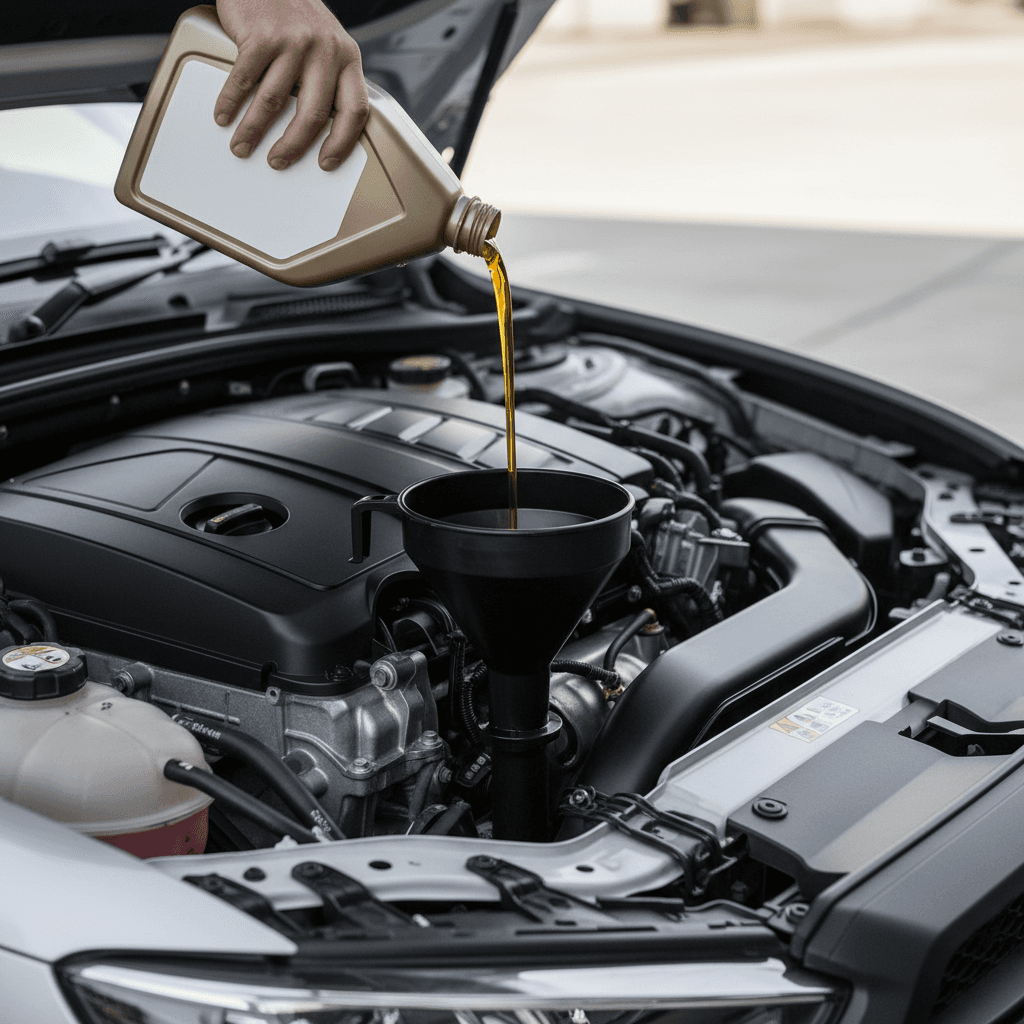
- Engine oil level correct
- Coolant level correct
- Rear window demister works
- All seatbelts fasten and release properly
- No transmission leaks (no spots under the vehicle)
What to Do If You Suspect a Fail
If you notice any issues, it is better to fix them before the inspection — a re-inspection costs extra. Ask Otto which parts you need: he will quickly find the right tyres, brake pads, bulbs or other parts for your specific vehicle.